
News and Insights
2025.12.19Column
Preserving the Way of the Samurai: The Power of Education
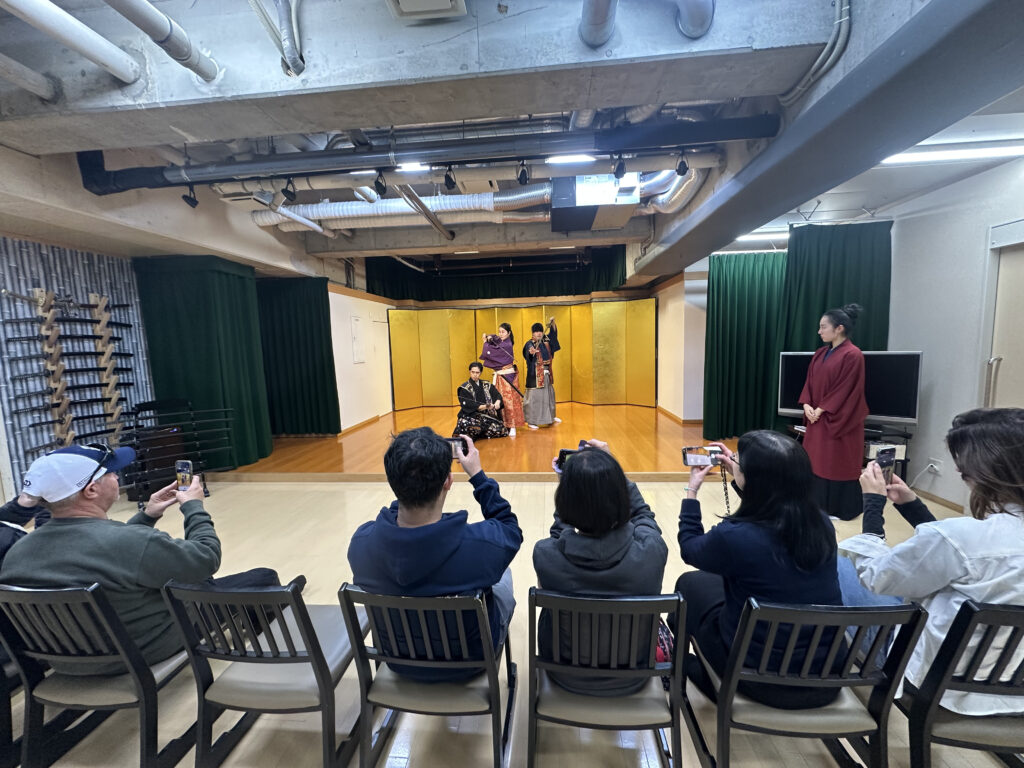
In a world where traditions can so easily slip into the background, preserving the art of the samurai feels as vital to modern Japan as Shakespearean theatre is to the UK or Greek tragedies are to the Western canon. These practices endure not just because they are studied, but because people continue to step into them—quite literally. In Samurai Kenbu Theatre’s 75-minute immersive class,
guided by skilled instructors, participants are introduced to the centuries-old philosophies and techniques that have shaped Japanese culture and identity.
Keeping Traditions Alive Through Education
Having worked in historical theatre venues for years, I’ve seen firsthand how traditions survive not only through performance but also through the passion of those who teach them. Japan is home to almost 100 schools dedicated to Kenbu—the art of sword dance—and while achieving the rank of master (Shihan) typically requires around 15 years of study, some of these individuals go on to share their craft at Samurai Kenbu Theatre.
What makes this theatre especially remarkable is its commitment to accessibility. By offering classes in English, it opens the door for international visitors to engage deeply with Japanese culture. Instead of simply observing samurai traditions from a distance, attendees can fully understand the history, symbolism, and intention behind each movement. This transforms the experience from passive viewing into a meaningful personal connection, allowing cultural heritage to resonate across borders.

A Shared Cultural Mission: Parallels With UK Historical Education
This commitment to keeping history alive through active participation isn’t unique to Japan; it mirrors the thriving historical re-enactment communities found across the UK. From medieval combat groups to Tudor court recreations and living-history societies, these organisations share the belief that history is best understood when it’s experienced firsthand.
From my time working at Shakespeare’s Globe, I saw just how important the institution’s educational role really is. The Globe may not operate like a traditional classroom, but the demonstrations it runs and the resources it provides—on everything from historical staging
practices to original acting styles—offer visitors a deeper understanding of Elizabethan theatre. I’ve watched people come in expecting a simple tour and leave with real context, curiosity, and a genuine sense of connection to the past.
Yet notable cultural differences remain. UK performers may—though not always—don period costumes designed to evoke a bygone era, whereas Kenbu practitioners wear traditional attire, such as the kimono and hakama, which continues to be an active part of contemporary Japanese culture. This contrast underscores the distinctive ways cultures preserve their heritage while also affirming a shared truth: history flourishes when people choose to embody it.
When We Step Into the Past, We Carry It Forward
Across continents and traditions, one principle remains constant: cultural heritage survives when people engage with it directly. Whether experienced through a Samurai Kenbu class or at Shakespeare’s Globe theatre, these immersive experiences breathe life into history. By stepping into tradition—physically, emotionally, and intellectually—we ensure that these stories, values, and practices continue to inspire generations to come.
CARA SUTCLIFFE
カーラ スクリフ
Cheshire, United Kingdom
Qualifications: MA in Theatre Practice obtained at Staffordshire University
Work experience: Shakespeare’s Globe, the National Theatre
Current status: Working Holiday Visa
Hobbies: Anime, Gaming, Theatre, Art